


Guide To Catering Outdoor Wedding Reception Meals
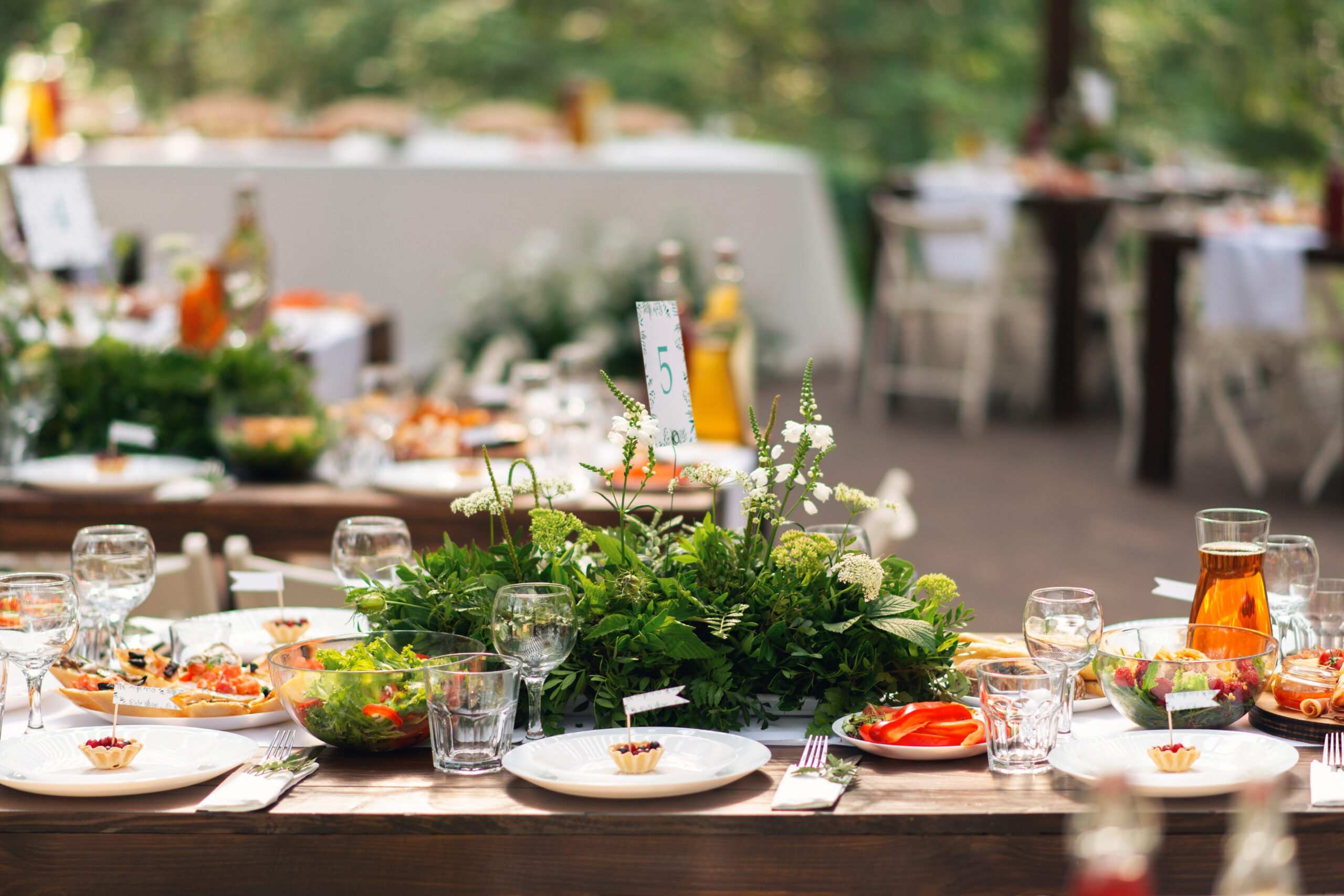 Hosting your nuptial celebration by the sea or in a lush park offers a beautiful background for your big day. However, serving a meal outside requires specific preparation. You face challenges like the hot Singapore weather, strict delivery timelines, and open-air setups. Taking control of these elements early keeps your event running on schedule and keeps your guests comfortable.
At Hock Hoe Heng Catering, we know that handling the details of a catering outdoor wedding reception requires a clear action plan. This guide provides practical steps for organizing your food delivery, handling waste, and setting up your dining area. By following these structured steps, you protect your food quality and create a highly memorable experience for your attendees.
Key Takeaways
- Schedule Deliveries Carefully: Set precise timelines for food arrival to protect freshness in the tropical heat.
- Coordinate The Visual Setup: Work closely with your vendors so the buffet stations match the natural environment.
- Plan For Waste Disposal: Set up hidden bins and hire a dedicated cleanup crew to keep the venue spotless.
- Adapt To The Elements: Use covered dishes, heavy equipment, and stable flooring to handle wind and uneven ground.
Managing Your Wedding Food Logistics
Serving a large group of people in a park or on a shoreline requires excellent timing. Because you do not have a traditional restaurant kitchen on-site, your wedding food logistics dictate the success of your meal. You must establish strict rules for delivery, staging, and serving.
Here are the primary steps to manage your food arrival:
- Determine The Exact Arrival Window: Food should arrive right before service begins. If it arrives too early, the dishes might lose their ideal temperatures. Work with your provider to set a precise 30-minute delivery window.
- Map Out The Delivery Route: Open-air spaces often lack simple loading bays. You need to find the closest access point for the delivery truck. Walk the path from the parking lot to your dining area to spot stairs, narrow paths, or soft ground.
- Establish A Staging Area: Set up a hidden tent or corner near the main dining space. Your staff needs this area to unbox items, light chafing fuels, and prepare platters out of sight.
- Schedule Buffer Periods: Always add a 15-minute buffer to your schedule. Traffic or parking issues can cause delays, so building in extra time keeps your stress levels low.
- Assign A Logistics Coordinator: Pick one person: a coordinator or a trusted friend: to meet the delivery team. This person will direct the staff on where to place the food and equipment.
Practical Steps For Garden Wedding Prep
A park or botanical setting provides a romantic, green atmosphere. However, garden wedding prep involves dealing with uneven terrain and direct sunlight. You have to arrange your food stations to protect the meal and keep your guests safe.
Focus on these key preparation tasks for a garden setting:
- Inspect The Ground: Grass is often bumpy and soft. You must select the flattest area possible for your buffet tables. If the ground is too soft, rent wooden flooring or sturdy mats to place under the food stations so the tables do not sink or tip over.
- Provide Proper Shade: Direct sunlight will spoil your food quickly. Always place your catering tables under a heavy-duty tent or a thick canopy of trees. This protects the dishes from the heat and shields the food from sudden rain showers.
- Manage The Insects: Gardens are full of insects. Use covered chafing dishes and clear domes for cold items. You can also place citronella candles near the perimeter of the dining area to keep bugs away from the food.
- Set Up Clear Walkways: Guests wearing heels will struggle to walk on grass. Create a clear, flat pathway from the seating area to the buffet line using carpets or wooden boards.
Handling A Beach Solemnization Meal
Organizing a meal after a beach solemnization presents entirely different challenges from a garden setting. The combination of sand, salty wind, and high humidity requires specific adjustments to your menu and your equipment.
Follow these rules for a successful seaside meal:
- Anchor The Equipment: Strong sea breezes can blow away light tablecloths, napkins, and paper menus. Use heavy metal clips to secure your table linens. Choose heavy ceramic or metal serving dishes instead of lightweight plastics.
- Protect Against Sand: Wind easily carries sand into open plates. Keep every single dish completely covered until the exact moment of service. Avoid serving sticky items that might catch blowing sand.
- Design A Hydration Station: Beaches get very hot. Set up a dedicated beverage station separate from the main food line. Stock it with iced water, chilled juices, and cold towels. This keeps guests refreshed while they wait for the main course.
- Choose Stable Seating: Chairs and tables will sink deep into soft sand. Look for a beachside pavilion or rent a solid platform for your dining space. If you must eat directly on the sand, use wide-legged chairs and low tables.
Best Practices For Managing Waste
When you hold an event in a public space, waste management is a heavy responsibility. You cannot leave trash behind, and you must protect the local wildlife from food scraps. Good waste management keeps the location beautiful and helps you avoid fines.
Implement these waste management strategies:
- Provide Hidden Bins: Place multiple trash and recycling bins around the venue. Cover them with wooden screens or fabric that matches your theme. This makes them easy for guests to find without ruining your photos.
- Hire A Cleanup Crew: Do not rely on your family to clean up. Hire professional staff dedicated entirely to clearing empty plates, wiping down tables, and collecting used cups throughout the event.
- Enforce Quick Plate Clearance: Leaving dirty plates on tables attracts birds and insects. Instruct your crew to remove finished plates immediately.
- Plan For Final Disposal: Public park bins cannot handle the trash from a large event. Rent a private dumpster or hire a disposal service to haul the garbage away at the end of the night. Leave the site exactly as you found it.
Coordinating With Vendors For The Right Vibe
The way your food is presented should match the beautiful outdoor background. Coordinating with vendors guarantees that your catering setup complements the overall theme, rather than looking like an afterthought.
Use these communication tactics with your providers:
- Share Your Visual Board: Send your mood board to your food provider early. If you want a rustic theme, request wooden crates, burlap runners, and copper chafing dishes.
- Discuss Table Layouts: Work with your tent vendor and your food provider at the same time. They need to agree on where the tables fit best under the canopy. This prevents overcrowding and allows smooth movement for your guests.
- Add Floral Accents: Ask your florist to leave extra greenery or loose flowers. You can place these around the buffet tables to connect the food stations to your main dining centerpieces.
- Match The Menu To The Setting: Talk to your provider about creating a menu that fits the environment. For a seaside event, feature grilled seafood and tropical fruits. For a garden setting, focus on fresh salads, herbs, and light meats.
- Establish A Communication Chain: Create a group chat or an email thread including your planner, your decorator, and your food provider. Clear communication prevents mistakes on the morning of your event.
Frequently Asked Questions
How early should the food arrive for an open-air event?
Your food should arrive about 30 to 45 minutes before the eating begins. This provides the staff enough time to arrange the tables and light the warmers, while keeping the dishes fresh.
What is the safest way to serve food at a beach solemnization?
The safest method is to use fully covered chafing dishes and heavy serving equipment. You must also place the food stations on a solid, flat surface rather than directly on loose sand.
How do you keep food safe in the hot Singapore weather?
You must keep all dishes out of direct sunlight. Place tables under thick tents, use plenty of ice packs for cold items, and use strong chafing fuels to keep hot items at safe temperatures.
Who is responsible for throwing away the trash?
You are responsible for the waste. You should hire a dedicated cleaning team to collect the trash and arrange for a private disposal service to take the garbage off the site.
Achieving A Successful Open-Air Nuptial Meal
Hosting a beautiful meal outside is entirely possible when you plan the details carefully. By controlling your logistics, adapting to the terrain, and setting up strict waste management rules, you protect your guests and your environment. Communicating clearly with your partners allows you to create a visual setup that matches the natural beauty of your location.
Taking these practical steps removes the stress from your big day. When you focus on careful timing and strong organization, you create a comfortable, memorable dining experience under the open sky.
Ready to plan your menu? Contact Hock Hoe Heng Catering today to discuss your options and secure your date! Click Here to Contact Us
